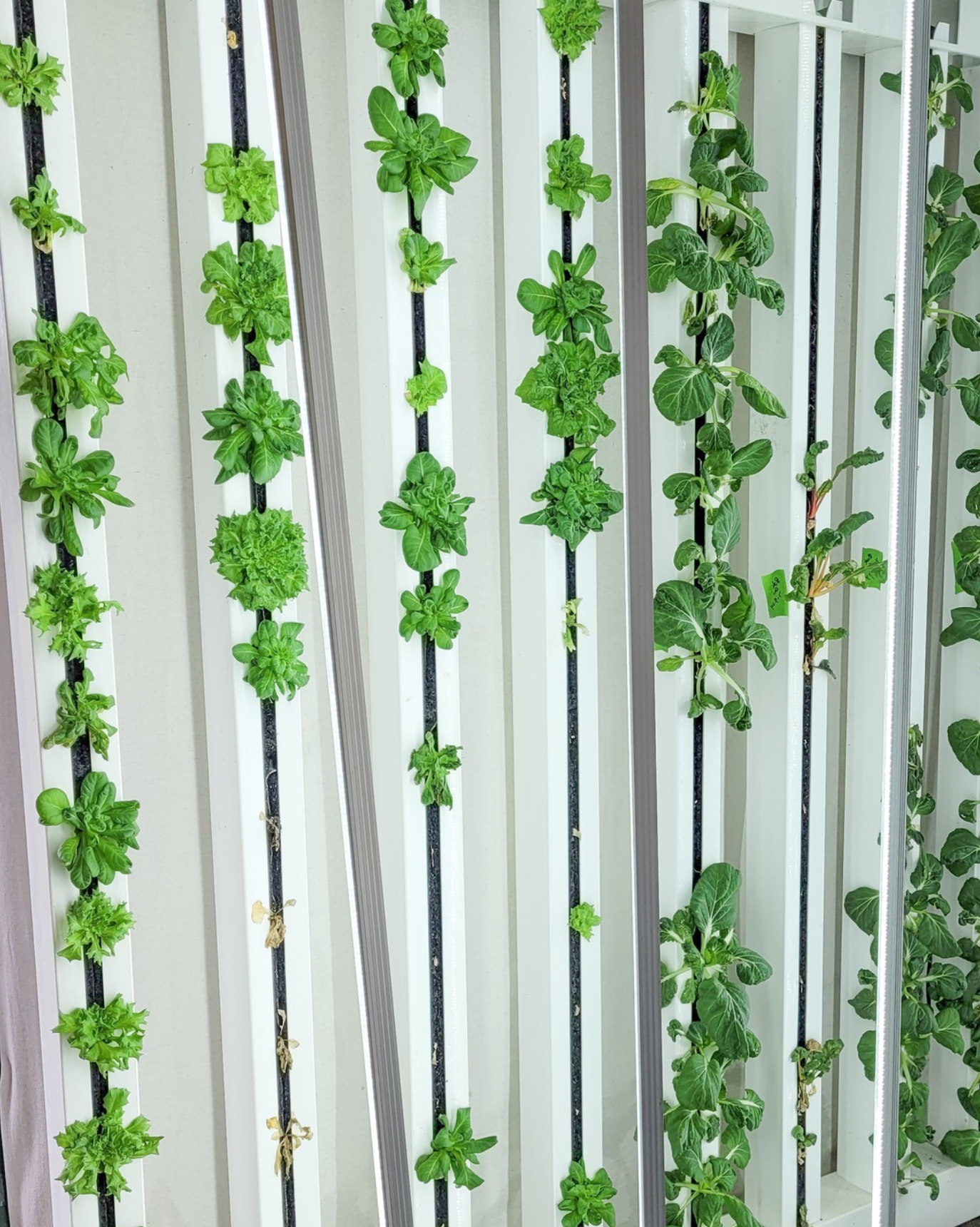
UrbanPonics’ vision is to provide equitable access to fresh, organic food year-round, end food deserts, and create careers for the next generation of farmers. Our focus to support sustainable indoor agriculture is rooted in our values: education, advocacy, and hands-on service learning.
Our Goals
UrbanPonics’ educational initiatives strive to:
Engage the community in learning about year-round sustainable agriculture
Support youth enthusiasm for farming and resource conservation
Build farming initiatives for schools & communities to integrate our food supply-chain
Expand agricultural career opportunities beyond traditional farming
Our Community to Class program is designed to educate both students and the wider community about the transformative potential of indoor farming. Learn how to grow fresh, healthy produce at home year-round, and understand the benefits.
Through interactive workshops and hands-on lessons, we also address the staggering 40% of food waste caused by spoilage during shipping in today’s food system. With 60,000 visitors attending the Middletown Grange Fair and the growing interest in sustainable farming, we’re excited to bring this vital knowledge to your community and classrooms.
Let’s work together to build a more sustainable future!
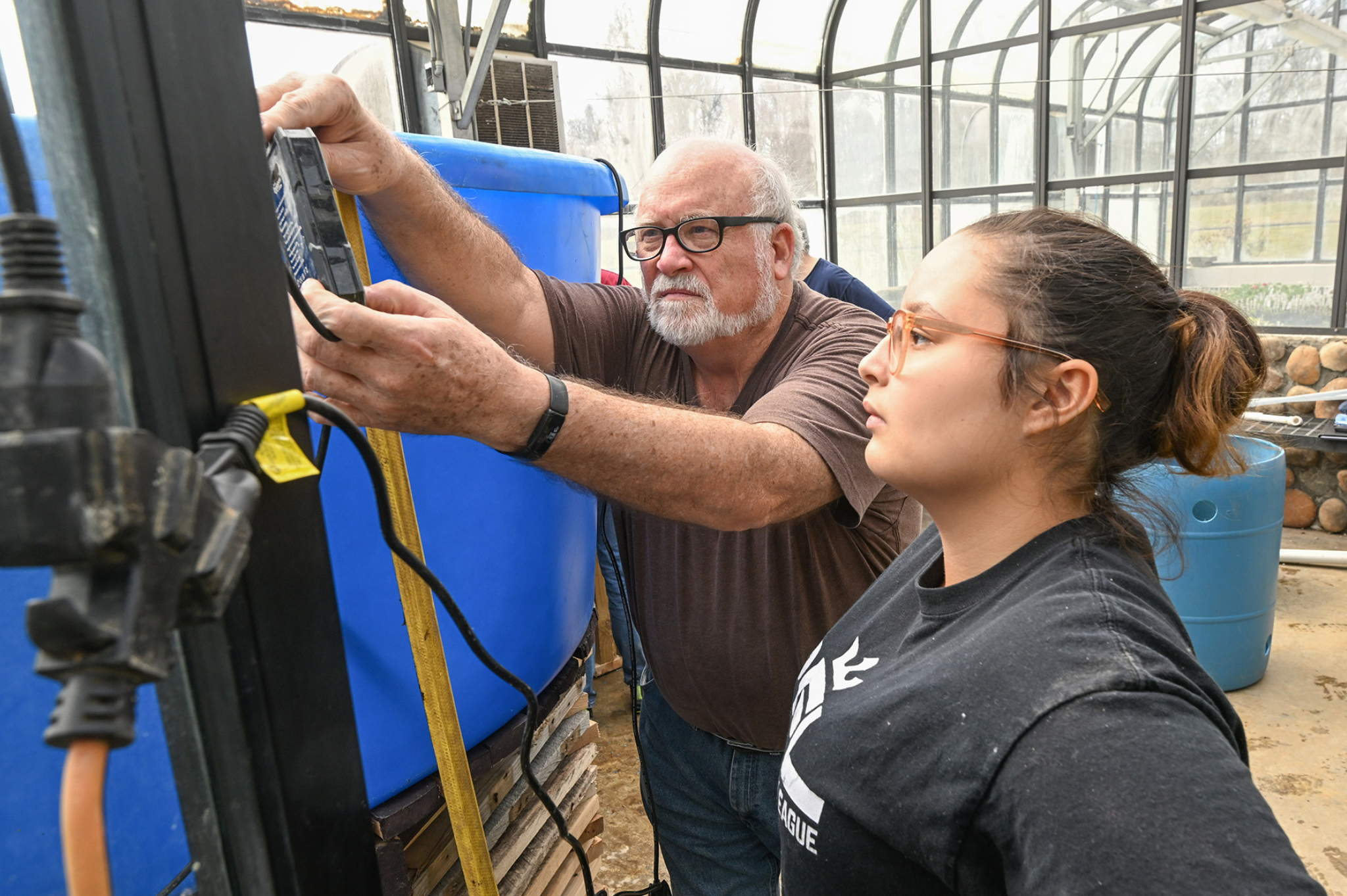
The goal of F2S2F is to teach students to build and benefit from vertical indoor farming. Students learn how to grow produce without soil and build and manage their own aquaponic growing units on site, at their school. This 3-year course targets technical high school students and integrates STEM education (Science, Technology, Engineering and Math) into the curricula.
The primary outcome of the program is to cultivate student interest in developing, operating and owning a sustainable indoor farm. A secondary outcome is the enhancement of students’ self-confidence, teambuilding and communication skills.
Additionally, the culinary department of the technical school reaps the benefit from the school farm, utilizing the produce grown, as part of school meals. Participating in a project of this scope creates student pride and influences many to pursue STEM and farming careers.
Empowering Individuals with Indoor Farming Skills and Mentorship
Education to Entrepreneur | E2E
The E2E program is dedicated to expanding agricultural career pathways for individuals in urban environments. By offering specialized training and one-on-one mentorship, we help aspiring farmers gain valuable insights into agriculture, indoor farming, and related industries.
Through entrepreneurial guidance and hands-on learning, E2E connects young farmers with experienced local growers, providing real-world advice and best practices to support their success in the agricultural business.